
The positive-only alternative to ClassDojo.
A companion your whole class raises together, fed by the kindness, curiosity, and effort you already see every day. No minus points, no public leaderboards, no messaging that follows you home.
Set up in five minutes. Unlimited classes on the free tier. No card needed.

Why teachers look for a ClassDojo alternative
The concerns are real and well documented — in academic research, teacher forums, and major media going back over a decade. If any of these sound familiar, you are not alone.
Public point displays can shame students
When negative points show on the board, students feel it in front of their peers. Peer-reviewed research and teacher accounts going back to 2014 describe the harm to dignity.
Always-on messaging becomes a second job
24/7 parent messaging blurs the line between school and home. Teachers report spending evenings and weekends answering messages that arrive at all hours.
Leaderboards leave some kids behind
Public ranking is especially hard for students with ADHD, autism, or sensory differences. There is no built-in way to opt a child out of being compared.
Behavior data shown to everyone
When the same screen holds both celebrations and corrections, the whole room sees who got marked down. Privacy becomes a setting you have to remember to toggle.
Not just anecdotes
Teachers and researchers have been raising these concerns for over a decade.
These aren't marketing claims — they're documented in peer-reviewed studies, major media investigations, and thousands of teacher forum posts. Here's a sample of the evidence.
Public behavior display systems create a "persuasive surveillance" dynamic that can harm student dignity, particularly when negative points are visible to peers.
"I'm spending my entire evening answering parent messages. It's become a second job I didn't apply for."
Behavior gamification apps can cause measurable harm to neurodivergent students — one parent reported her child lost "20 marks for not sitting down."
Extrinsic reward economies — points, tallies, public counters — can crowd out the intrinsic motivation they're meant to encourage. Decades of research confirm this effect.
The New York Times has reported on concerns with public behavior-display apps repeatedly from 2014 through 2025 — citing teachers, parents, and researchers.
Classroom data flows create surveillance culture concerns, with implications for student privacy and the right to developmental experimentation without permanent records.
How ClassMon is different
Six differences built into the foundation.
These are architectural choices, not toggles. Each one would require a competing product to abandon how millions of teachers already use it.
Positive-only, by design
There is no negative point in ClassMon. Not hidden, not toggled off — structurally absent. The classroom display shows growth, never penalty. This is the single biggest reason teachers switch: the shame mechanic is removed at the foundation, so you never have to hold back on logging a moment because of how it would land publicly.
A competing product's core loop depends on add-and-subtract points. Removing subtraction breaks how every current classroom uses it.
Dual-surface privacy
Two screens do two different jobs. The classroom display (the smartboard) only ever shows celebrations and the companion. Corrective notes, coaching logs, and sensitive behavior data live on the teacher's device — private by architecture, not by a setting you might forget.
The whole room never sees who had a hard day. The moments worth celebrating go up; the coaching stays between you and the child.
A companion grows from intrinsic effort
Instead of points feeding a counter, the kindness, curiosity, and effort your class already shows feeds and grows a companion together. The pet is the intrinsic reward — students care for it, watch it hatch, and celebrate when it evolves. Growth is tied to PBIS-aligned behaviors, not click accumulation.
 Egg → Baby
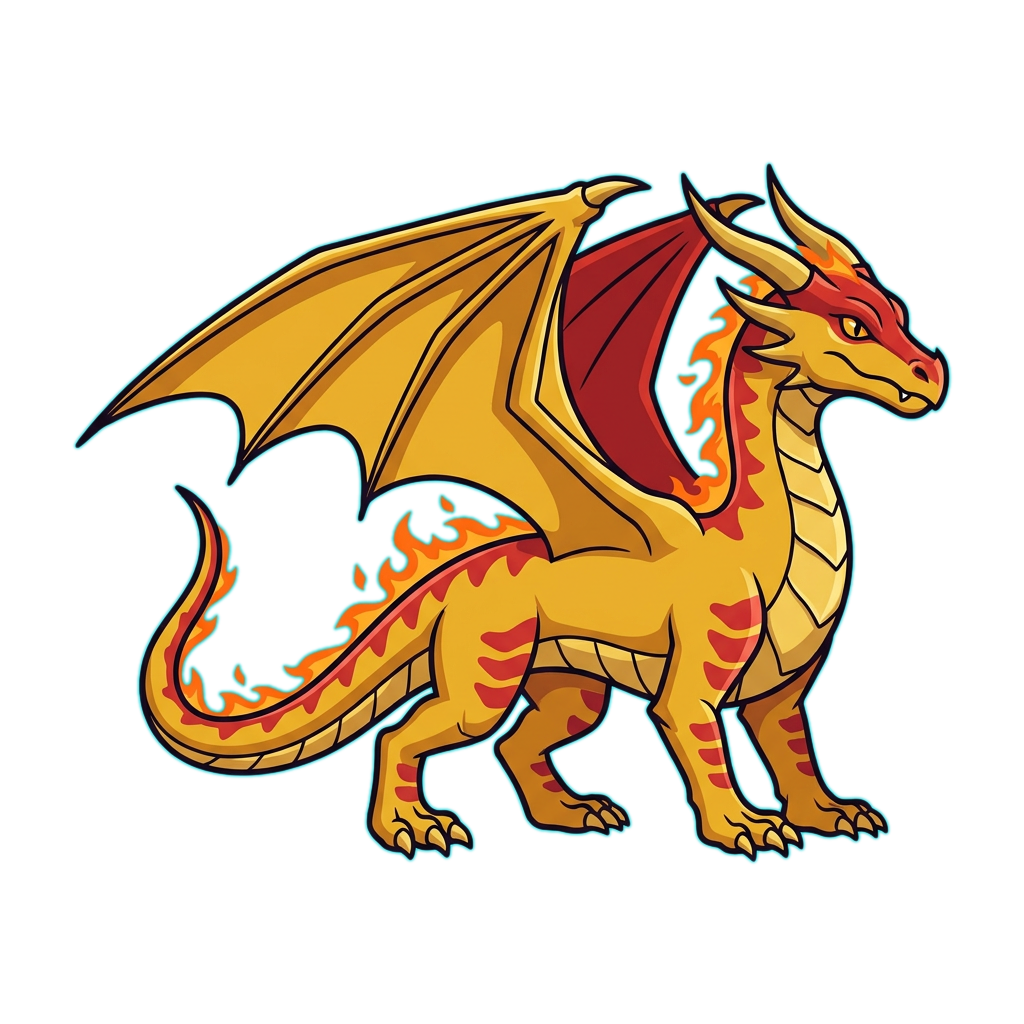 Juvenile
 Adult
Adult
The research is clear: extrinsic reward economies can crowd out intrinsic motivation. ClassMon was built so the reward is the relationship.
No messaging treadmill
ClassMon doesn't have a 24/7 parent messaging channel — and that's deliberate. No always-on inbox that pings you at 9 PM, no expectation to reply in real time. When we do add family communication, it will be milestone-paced and school-hours by default — not an endless feed of micro-updates.
Always-on instant messaging is a retention mechanic for engagement-first products. It grows their metrics, not your evenings.
Built neurodivergent-aware
No leaderboards. No public ranking. No audible penalty cues. A built-in Calm Mode quiets ambient animation for sensory-sensitive students. There is no penalty for stimming, movement, or needing to look away. These aren't add-ons — they are defaults.
For students with ADHD, autism, or sensory processing differences, a leaderboard is a daily stressor. Removing it changes the room.
A shared class quest, not individual competition
When a companion graduates, its commemorative card auto-joins a class-wide recipe board — a shared quest visible on the classroom display. Every graduation fills a slot, regardless of element or speed. When the recipe completes, the whole class unlocks a new habitat that transforms the smartboard's background. There are no per-student contribution counts, no MVP awards, no "who contributed most." The contributor ribbon shows first names in order — that's it.
This is the structural opposite of a leaderboard. The class works together toward a shared visual transformation of their shared space. Every student contributes simply by caring for their companion — there is no way to be "behind."
Evidence-backed. Every claim on this page is grounded in 73 citations across peer-reviewed research, teacher forums, and major media. We didn't invent these concerns — teachers and researchers have been documenting them for over a decade.
ClassMon vs. ClassDojo, side by side
We're not trying to match ClassDojo feature-for-feature. They win on scale. We win on philosophy.
| What matters | ClassMon | ClassDojo |
|---|---|---|
| Negative points / public penalties | None — by design | Subtract points, shown publicly |
| Behavior data on the classroom display | Celebrations only — coaching stays private | Both rewards and corrections visible |
| Reward mechanic | A companion the class raises together | Point totals and monsters tied to score |
| Leaderboards / public ranking | None — replaced by cooperative Class Quest | Point totals visible per student |
| Class-wide cooperative goals | Shared recipe board — unlock habitats together | No shared class goal mechanic |
| Parent messaging | None — by choice (planned: milestone-paced) | 24/7 instant messaging |
| Neurodivergent-aware / sensory UI mode | Built-in Calm Mode, no penalty for stimming | Mindfulness content, but no sensory UI mode |
ClassDojo feature details from public sources as of 2026. We're not interested in a feature war — this table exists so you can see where the philosophies diverge.
Built for teachers who believe behavior tools should feel kind
You hold back on logging
If you've ever skipped recording a moment because of how it would look on the board, the positive-only model removes that friction entirely.
You teach neurodivergent students
If you have students with ADHD, autism, or sensory needs, ClassMon was designed so no child is ranked, penalized for movement, or overwhelmed by animation.
You want your evenings back
If parent messaging has crept into every hour of your week, ClassMon doesn't add another inbox. There's no messaging channel to check at 9 PM — and when we do add family communication, it will respect school hours.
You care about SEL and PBIS
The companion grows from social-emotional and PBIS-aligned behaviors — kindness, curiosity, effort — reinforcing them through play rather than a transactional tally.
You teach K–5
ClassMon is built for primary classrooms — large touch targets, pre-literate friendly visuals, and a companion lifecycle paced for a school year.
You're privacy-cautious
Behavior data stays in your classroom. Managed Postgres, JWT auth, Singapore residency, and a display that never shows corrections to the room.
Questions teachers ask before switching
Is ClassMon a free alternative to ClassDojo?
Yes. ClassMon is free during early access with no class limits. Every base companion, element, and ceremony is fully available on the free tier. There is no paywall on student equity and no parent subscription in Year 1.
How is ClassMon different from ClassDojo?
ClassMon is positive-only — there is no negative point to display. Behavior data lives on the teacher's device, not on the classroom display. And instead of points feeding a leaderboard, classroom moments grow a companion the whole class raises together. ClassDojo can add features, but it cannot become positive-only without breaking how every current teacher uses it.
Does ClassMon work for neurodivergent students?
ClassMon was built neurodivergent-aware from the start: no leaderboards, no public ranking, no audible penalty cues, and a Calm Mode that quiets ambient animation for sensory-sensitive students. There is no penalty for stimming or movement.
Does ClassMon have parent messaging?
Not yet — and that's deliberate. ClassMon doesn't have a 24/7 parent messaging channel. When we do add family communication, it will be milestone-paced and school-hours by default, not an always-on inbox that follows you home.
Is ClassMon private and student-data-safe?
ClassMon runs on managed Postgres with JWT auth, with data residency in Singapore (ap-southeast-1). The classroom display never shows corrective data — that stays on the teacher's device. No behavioral data is shared outside the classroom.
Can I switch from ClassDojo mid-year?
Yes. ClassMon sets up in five minutes — create a class, add students, open the display. Because the model is positive-only, there's no behavior history to migrate and no reset drama. Many teachers run it alongside their old system for a week, then switch fully.
What is the Class Quest?
The Class Quest is a cooperative goal your whole class works toward. When a student's companion graduates, its commemorative card joins a shared recipe board on the classroom display. When enough cards fill the recipe, the class unlocks a new habitat — a visual transformation of the smartboard's background. No per-student counts, no MVP, no competition. Every student contributes by caring for their companion.
Try the kind alternative with your class.
Free during early access. Five minutes to set up. No card, no commitment, no minus points.
Start free